Der Start der Reise war anders organisiert als bisher. Um die etwa 2 Stunden "Einsammel-Zeit" zu
sparen wurde der Startpunkt an die Endstation der U1 und der S-Bahnstation Leopoldau gelegt. Das Leihauto ein
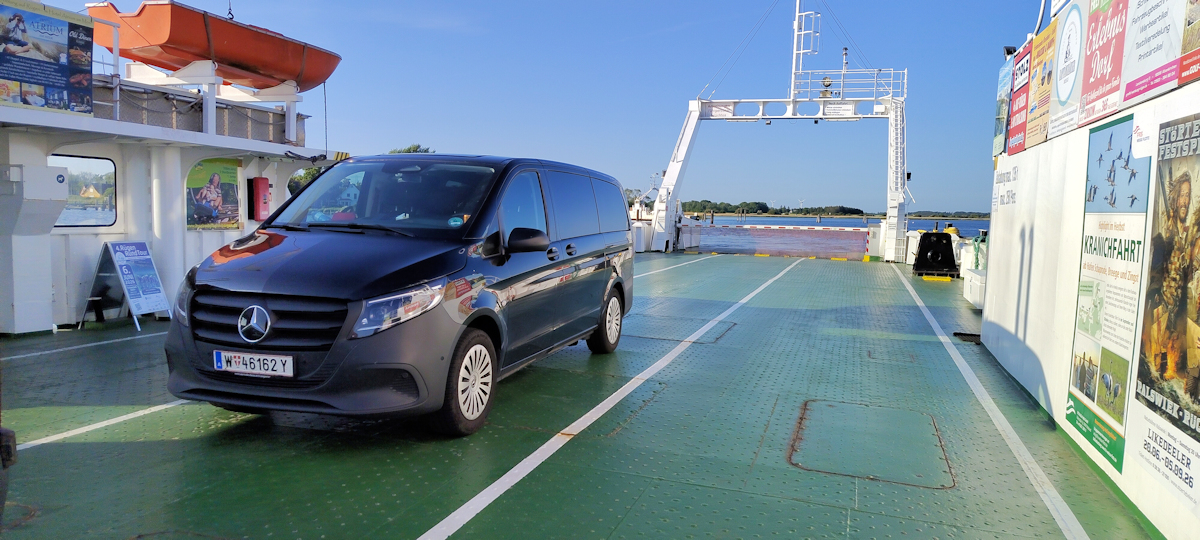
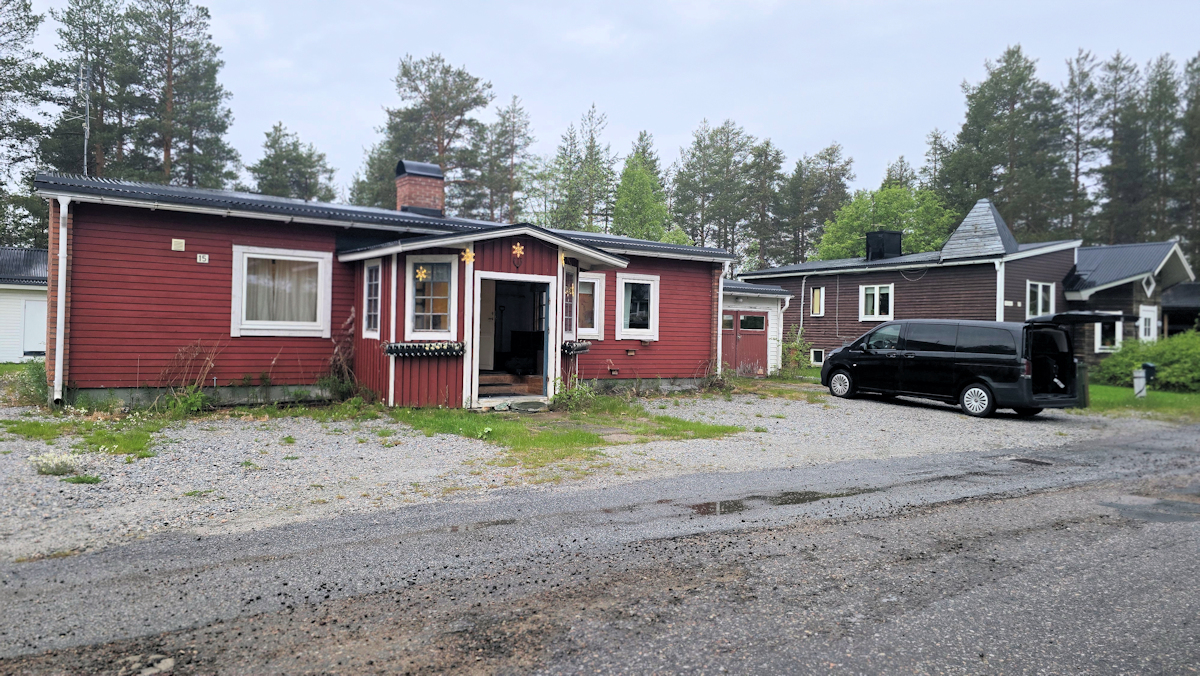
Mercedes Vito, habe ich bereits am Vortag nach der Dachverbandssitzung abgeholt. Das Eseltaxi so wie schon
bei früheren Reisen in Wien 3 in der Nähe meiner Werkstatt abgestellt.
Am Weg zum gemeinsamen Treffpunkt habe ich noch Reinhard OE1RHC abgeholt weil das direkt am Weg von Perchtoldsdorf
nach Norden liegt. Abfahrt war etwa 30 Minuten verzögert weil ich am Weg durch einen Morgenstau aufgehalten worden
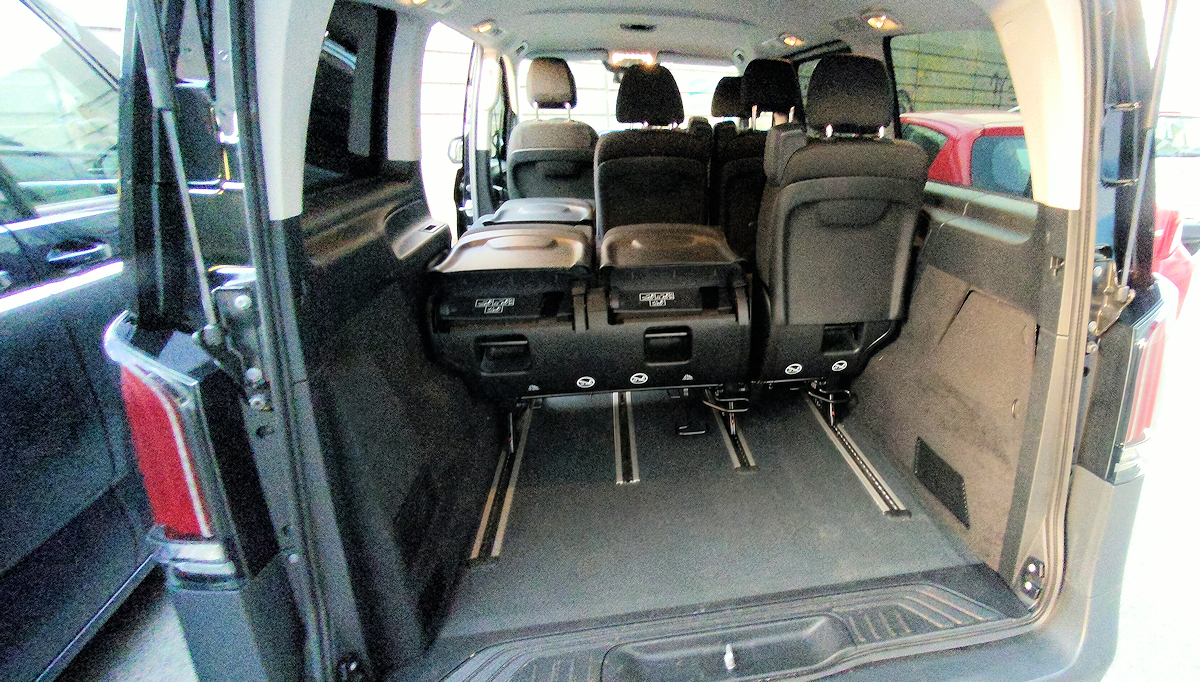
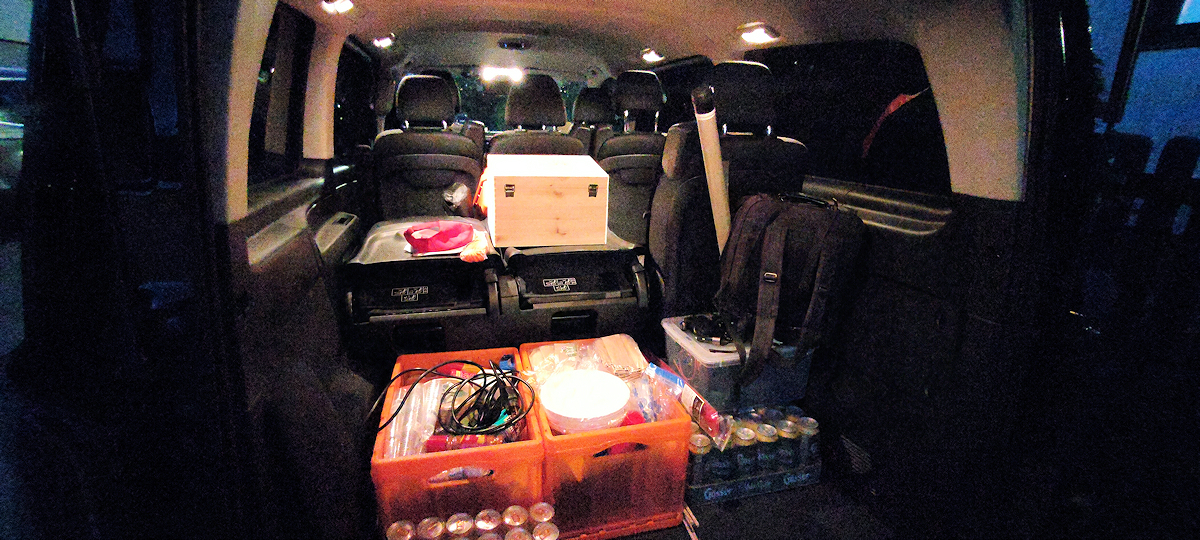
bin. Das Auto habe ich bereits in der Nacht vorbereitet Sitze umkonfiguriert um Passagiere und Gepäck sowie
Funkausrüstung unterbringen zu können. Das Fahrzeug war als 9 Sitzer ausgeführt, wir haben es als 2-3-1 konfiguriert.
Die Sitzplätze waren während der Reise fix zugeordnet, einzig martin und Arnold haben Platz am Lenkrad gewechselt.
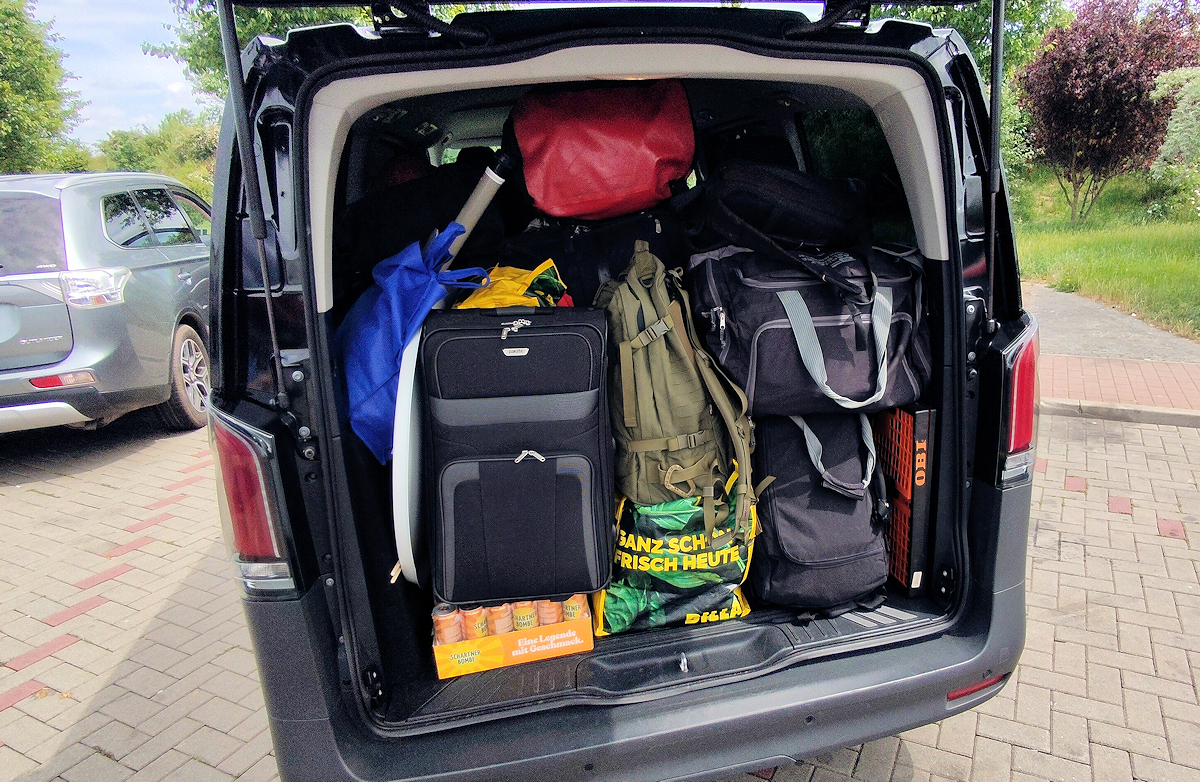
Das Auto war für 6 Personen ausreichend, der Kofferraum war aber überquellend voll. Überraschend am Auto war die
überaus Spartanische Ausstattung. Keinerlei Ablageflächen für Telefon, Tablet, Laptop. Nur eine 12V Streckdose für
den gesamten Passagierbereich. Das hat uns doch sehr überrascht weil das Fahrzeug als Personentransporter konzipiert
ist. Es gäbe drüber auf weitgehend gleicher HW noch die V-Klasse. Hätte es auch zu mieten gegeben, wäre aber zumindest
um weitere €1500,- aufwändiger gewesen. Zusätzlich hätten die anderen Sitze weniger Laderaum gelassen. In schlimmer
Erwartung haben Reinhard und Arnold 12V Verlängerungskabel und Verteiler mit USB Anschlüssen Typ USB-A und USB-C
mitgebracht. Das hat die Stromversorgung für Kleingeräte und den Kompressorkühlschrank möglich gemacht.
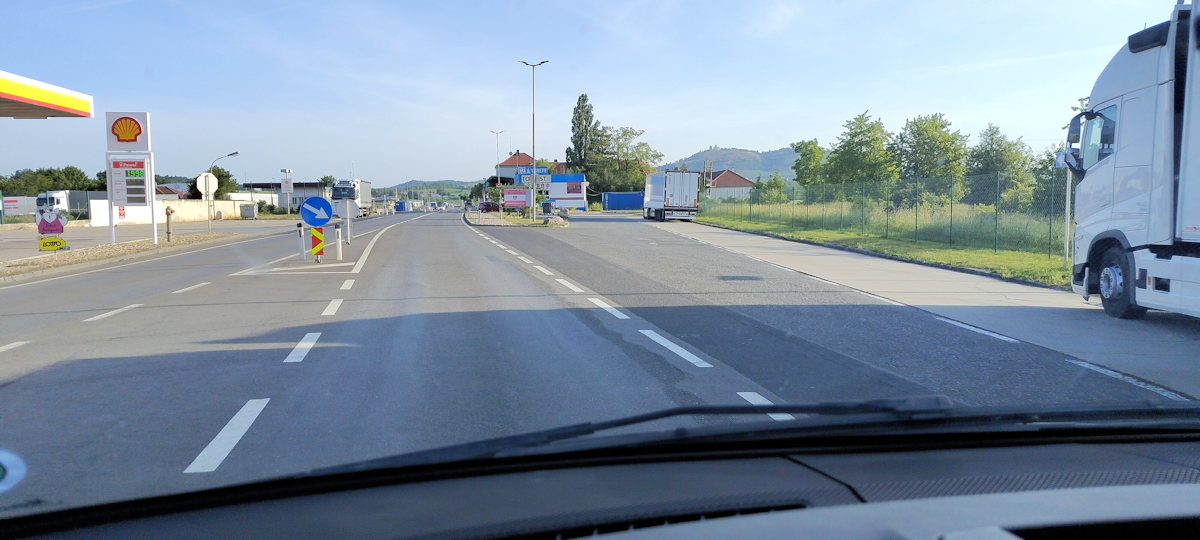
Die Navigation erfolgte über das an sich gute Mercedes Navi und zusätzlich parallel dazu via Google am Telefon von
Martin. Beide Navi Systeme haben mehrfach ordentlichen Unfug gemacht. So versuchte Google serh häufig besonders
schlechte Straßen parallel zu Autobahnen auszuwählen. Das Mercedes Navi entschied von der Autobahn abzufahren um
bei der nächsten Auffahrt sofort wieder zurück zu kehren. Einmal haben wir das zu spät erkannt, die Autobahn hatte
keine Verkehrsprobleme war frei. Am Mercedes navi haben wir keine Möglichkeit gefunden Ziele ohne Postanschrift
eingeben zu können. Also einen Parkplatz oder einen Koordinatenpunkt entlang einer Straße um dort den Einstieg
zu einer SOTA Wanderung anzusteuern. In diesem Punkt hat auch die Google Navigation einige male Mist gebaut. Obwohl
Google im Kartenmaterial eine durchaus brauchbare Straße angezeigt hat, wurde nicht dort hin navigiert sondern
eine zusätzliche längere Wanderung hinzugefügt. Man musste also beide Navis kombinieren, lokale Karten und SOTL.as
lesen um den Dummheiten der Navis zu begegnen. Natürlich sind in den Online Services lokale Details auf den Lofoten
oder irgendwo am Berg in einer selten besuchten Gegend nicht berücksichtigt davon ist hier aber nicht die Rede. Für
Orientierung bei Wanderungen nutzen wir lokale Onlinekarten die wir sicherheitshalber offline am Mobiltelefon hatten.
The start of the trip was organized differently than before. To save the approximately two hours
of "pick-up time," the starting point was set at the terminus of the U1 subway line and the Leopoldau S-Bahn station.
I picked up the rental car, a Mercedes Vito, the day before after the Austrian HAM organization meeting. As with previous
trips, I parked the donkey taxi near my workshop in Vienna's 3rd district.
On the way to the meeting point, I also picked up Reinhard OE1RHC, as it's directly on the route north from Perchtoldsdorf.
Departure was delayed by about 30 minutes because I was held up by a morning traffic jam. I had already prepared the
car the night before, reconfiguring the seats to accommodate passengers, luggage, and radio equipment. The vehicle
was originally a nine-seater, but we configured it as a 2-3-1. The seats were assigned throughout the trip; only Martin
and Arnold switched places at the steering wheel. The car was adequate for 6 people, but the trunk was overflowing. Surprisingly,
the car had an extremely spartan interior. There was no storage space whatsoever for a phone, tablet, or laptop. Only
one 12V socket for the entire passenger area. This surprised us greatly because the vehicle is designed as a people
carrier. There was also the V-Class, which had largely the same hardware. It would have been available for rent, but
would have been at least €1500 more expensive. Additionally, the other seats would have reduced the cargo space.
Anticipating the worst, Reinhard and Arnold brought along 12V extension cables and a power strip with USB-A and USB-C
ports. This made it possible to power small devices and the compressor refrigerator.
Navigation was done via the generally good Mercedes navigation system and, in parallel, via Google Maps on Martin's phone.
Both navigation systems made significant errors on several occasions. For example, Google Maps very frequently tried to
select particularly bad roads parallel to highways. The Mercedes navigation system decided to exit the highway only to
return immediately at the next on-ramp. Once, we realized this too late; the highway had no traffic problems and was clear.
We couldn't find a way to enter destinations without a postal address on the Mercedes navigation system. For example, a
parking lot or a coordinate point along a road to find the starting point for a SOTA hike. Google Maps also messed up a
few times in this regard. Although Google Maps showed a perfectly usable road, it didn't navigate there but added an extra,
longer hike. So, we had to combine both navigation systems, consult local maps, and read SOTL.as to avoid the navigation
system's errors. Of course, the online services don't take local details into account in the Lofoten Islands or somewhere
on a mountain in a rarely visited area, but that's not the point here. For orientation during hikes, we used local online
maps that we had offline on our mobile phones as a precaution.